

The evolution of gambling Future trends shaping the casino industry
The Historical Context of Gambling
The roots of gambling can be traced back thousands of years, with evidence of betting activities found in ancient China, Rome, and Greece. The evolution of gambling reflects societal values, cultural practices, and technological advancements over time. Early forms of gambling included dice games and betting on the outcomes of events, illustrating humanity’s inherent love for risk and chance. With the advent of the printing press, lottery systems gained popularity in the 15th century, as printed tickets made it easier for people to participate in various games. Today, you can engage with exciting options like the aviator game, which adds a modern twist to traditional gaming experiences.
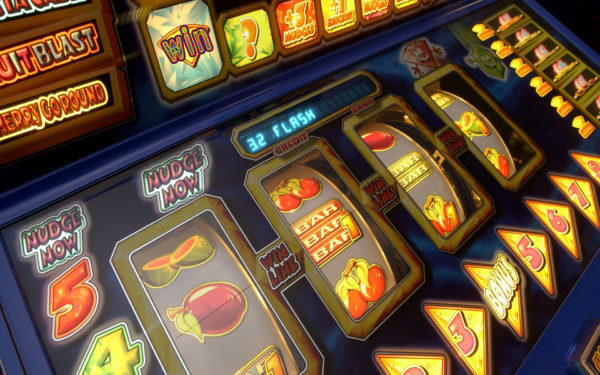
As societies evolved, so did gambling practices. The establishment of formal casinos in the 17th century marked a significant turning point, giving rise to sophisticated games such as poker, blackjack, and roulette. These venues became social hubs, attracting a diverse clientele eager to partake in games of skill and chance. Throughout the 20th century, gambling transitioned from local establishments to expansive casino resorts, often incorporating entertainment options like dining, concerts, and shows, all of which enhanced the overall experience for patrons.
In recent decades, the proliferation of online gambling has revolutionized the industry, making games accessible to a global audience. The rise of the internet in the late 1990s paved the way for online casinos to emerge, providing an alternative to traditional gambling. Mobile technology further expanded accessibility, allowing players to gamble anytime and anywhere. This historical trajectory illustrates how gambling has continually adapted to meet the changing preferences of society while remaining a popular form of entertainment.
Technological Innovations Reshaping Gambling
Technological advancements are at the forefront of the gambling industry’s evolution. The introduction of advanced algorithms, artificial intelligence, and data analytics has transformed how casinos operate, enabling operators to offer personalized experiences for players. For example, AI can analyze player behavior to suggest tailored game options or promotional offers, enhancing customer engagement and retention. Furthermore, the use of blockchain technology is gaining traction, providing transparency and security in transactions, which fosters trust among players.
Another significant innovation is the emergence of virtual reality (VR) and augmented reality (AR) in gaming. These technologies are creating immersive gambling experiences that replicate the thrill of being in a physical casino. Players can navigate virtual casinos, interact with other users, and engage in live dealer games, all from the comfort of their homes. This transformation not only attracts younger demographics but also enriches the overall gambling experience by blending the physical and digital realms.
In addition, mobile gaming continues to be a driving force in the gambling industry. As smartphones become more sophisticated, casino operators are focusing on developing mobile-friendly platforms that offer seamless gaming experiences. With in-app purchases and social gaming elements, these apps allow players to engage in casino games while connecting with friends, further increasing their appeal. The integration of payment systems like e-wallets and cryptocurrencies also simplifies transactions, making it easier for players to wager securely.
Changing Regulations and Consumer Behavior
The gambling industry is heavily influenced by regulatory changes across the globe, as governments seek to balance revenue generation with responsible gaming practices. Increased scrutiny has led to stricter regulations aimed at preventing gambling addiction and promoting player protection. Many countries have implemented measures such as self-exclusion programs, age verification, and mandatory information on responsible gambling. These regulations shape how casinos market their offerings and interact with customers.
Consumer behavior is also evolving, with players becoming more discerning about where and how they gamble. The demand for responsible gaming initiatives is growing, with many players prioritizing platforms that demonstrate a commitment to player welfare. This shift has led casinos to adopt transparency practices and emphasize responsible gaming features, which not only comply with regulations but also foster a positive brand image.
Moreover, the rise of social media and online communities has changed how gamblers share experiences and seek information. Online reviews, forums, and influencers play significant roles in shaping public perceptions of casinos. Players often rely on the experiences of others when choosing where to play, making reputation and user feedback critical factors for operators in maintaining competitive advantage. This connection emphasizes the importance of community in the modern gambling landscape.
The Rise of Esports and Online Gambling
Esports has emerged as a phenomenon in recent years, capturing the attention of millions globally. As competitive gaming continues to grow, so does the intersection between esports and gambling. Betting on esports events allows players to engage with their favorite games in new ways, creating a dynamic environment that attracts both traditional gamblers and avid gamers. This trend has prompted established betting companies to diversify their offerings and cater to this burgeoning market.
Live betting and in-play wagering are becoming increasingly popular within esports. This allows bettors to place wagers during matches, significantly enhancing the excitement and engagement of the experience. The integration of real-time analytics also provides bettors with more informed decision-making tools, further driving participation. As the esports betting market expands, operators are tasked with ensuring fairness and transparency to build player trust.
The convergence of esports and traditional gambling has also led to innovations in marketing strategies. Partnerships between gaming companies and betting platforms are fostering cross-promotional opportunities, while events featuring both gaming competitions and gambling activities draw larger audiences. As the landscape continues to evolve, the potential for growth in this sector is immense, positioning it as a future cornerstone of the gambling industry.
The Future of the Casino Industry
The future of the casino industry appears bright, driven by ongoing technological advancements, changing consumer preferences, and evolving regulations. As more players turn to online platforms, traditional casinos will need to adapt to maintain relevance. This may involve enhancing the in-person experience through unique offerings that cannot be replicated online, such as exclusive events and high-stakes tournaments.
Moreover, sustainability will become a key focus for the future of gambling. With growing awareness of environmental issues, players are becoming more conscious of the impact their activities have on the planet. Casinos may adopt eco-friendly practices, from energy-efficient buildings to waste reduction programs, to attract environmentally conscious consumers. This alignment with sustainability trends will not only enhance corporate responsibility but also improve brand loyalty.
Lastly, the incorporation of advanced analytics and data-driven decision-making will shape the casino landscape. Operators will increasingly rely on data to understand player preferences and enhance marketing strategies. By leveraging insights gained from user behavior, casinos can create more personalized experiences that resonate with customers. This data-centric approach will be crucial in navigating the competitive landscape of the gambling industry and ensuring long-term success.

Explore the Latest in Online Gambling
As the gambling industry continues to evolve, players seeking an engaging experience can explore various online platforms that cater to their preferences. These websites often feature innovative games, attractive bonuses, and user-friendly interfaces, making it easier to navigate the exciting world of online gambling. With advancements in technology, players can enjoy high-quality graphics, seamless gameplay, and real-time statistics, enhancing their overall experience.
Additionally, community interaction is a crucial aspect of many online gambling sites, as players can connect with one another, share strategies, and discuss their favorite games. This social element fosters a sense of belonging and camaraderie among players, enriching their gaming journey. As the landscape shifts, finding the right platform to elevate your online gambling experience becomes essential.
The future of online gambling is filled with possibilities, and with numerous platforms available, players can embark on their gaming adventures while benefiting from the latest technological advancements. Stay informed about upcoming trends, and discover the platforms that will take your gambling experience to the next level, combining entertainment with the thrill of chance.



Comments are closed.